Winter Lock Maintenance: How to Prevent Frozen Locks and what to do during a lockouts
When temperatures drop below freezing, your locks become vulnerable to a frustrating and potentially dangerous problem: freezing. A frozen lock can leave you stranded outside your home or car in bitter cold, creating a genuine safety hazard. This guide covers everything you need to know about preventing frozen locks and what to do when ice strikes.
Residents in northern cities like Minneapolis, where winter temperatures routinely plummet below zero near Lake Calhoun and the Chain of Lakes, are especially susceptible to frozen lock problems. But even moderate cold snaps in cities like Kansas City (64101) and Indianapolis can cause lock issues, particularly with moisture-prone exterior locks on the north side of buildings near Monument Circle and other exposed locations.
🔒 Need help now? (833) 310-6128 — Available 24/7
Why Locks Freeze
Lock freezing occurs when moisture inside the lock mechanism turns to ice, preventing the pins from moving and the key from turning. Moisture enters locks through condensation, rain, snow, and even humidity. When temperatures drop below 32°F, this moisture freezes and expands, jamming the internal components. The problem is worse with temperature fluctuations — repeated freeze-thaw cycles introduce more moisture each time.
Certain lock types are more freeze-prone than others. Padlocks and exposed exterior locks are the most vulnerable because they’re fully exposed to the elements. Residential entry locks are somewhat protected by door overhangs but can still freeze during prolonged cold snaps. Car locks freeze frequently because vehicles sit outdoors and temperature differentials create condensation inside the lock body.
🔒 Need help now? (833) 310-6128 — Available 24/7
Prevention: Pre-Winter Lock Care
The best defense against frozen locks is proactive maintenance before cold weather arrives. Lubricate all exterior locks with a graphite-based dry lubricant or Teflon-based spray. These products displace moisture and create a barrier that inhibits ice formation inside the lock cylinder. Avoid WD-40 and oil-based lubricants — they attract dirt and can gum up the mechanism.
Apply a lock de-icer preventatively. Products containing isopropyl alcohol or glycol lower the freezing point of any moisture present in the lock. A few drops before the first freeze creates protection that lasts several weeks. Reapply after any thaw-refreeze cycle or heavy precipitation.
Cover exposed locks. For padlocks on sheds, gates, and storage units, inexpensive lock covers or even a piece of duct tape over the keyway prevents moisture entry. For car locks, a small magnet-backed cover placed over the keyhole provides effective protection. Some automotive supply stores sell purpose-made lock covers for this exact application.
Emergency Solutions for Frozen Locks
If you find yourself facing a frozen lock, several methods can help. Lock de-icer spray is the fastest and most effective solution. Keep a small canister in your pocket, purse, or a magnetic box under your car — not inside the locked space! The de-icer melts ice inside the cylinder within seconds. Hand sanitizer works in a pinch because its high alcohol content melts ice. Apply it to your key and gently insert it into the lock. emergency safe opening
Warm your key with a lighter or by holding it against a hand warmer. Insert the warmed key gently and let the heat transfer to the internal pins. You may need to repeat this several times for severe freezing. Never use boiling water on a frozen lock — it may work temporarily but the excess water will refreeze and make the problem worse. professional rekeying
Hair dryer or heat gun directed at the lock can thaw internal ice if you have access to an electrical outlet. Use low heat to avoid damaging the lock finish or door weatherstripping. A portable battery-powered hair dryer is a useful emergency tool to keep in your garage during winter months.
Car Lock Freeze Prevention
Modern cars with electronic locks and remote keyless entry are less susceptible to traditional lock freezing, but the mechanical backup lock can still freeze — and that’s exactly the lock you’ll need if your key fob battery dies in the cold. Keep your mechanical key lock functional by lubricating it before winter and periodically testing it throughout the cold season.
For vehicles that primarily use physical keys, consider applying a silicone-based protectant to all door seals. Frozen door seals are actually more common than frozen locks and can make it impossible to open the door even if the lock works. The silicone prevents the rubber seals from sticking to the metal door frame. If you experience repeated car lockout issues, professional lock maintenance can address underlying moisture problems.
When to Call a Professional
If DIY methods fail to thaw a frozen lock, or if you’ve broken a key inside a frozen lock, it’s time to call a professional. Forcing a frozen lock risks breaking the key, damaging the cylinder, or bending internal components — all of which turn a minor problem into an expensive repair. A professional locksmith has specialized tools and techniques for safely addressing frozen locks without damage.
After a frozen lock incident, consider having the lock serviced. The freeze-thaw cycle may have introduced additional moisture or caused internal wear that makes the lock more vulnerable to future freezing. A professional cleaning, lubrication, and inspection ensures your lock returns to optimal condition and is better prepared for the next cold snap. Our Boston lock service team provides comprehensive winter lock maintenance across the metro area.
Long-Term Solutions
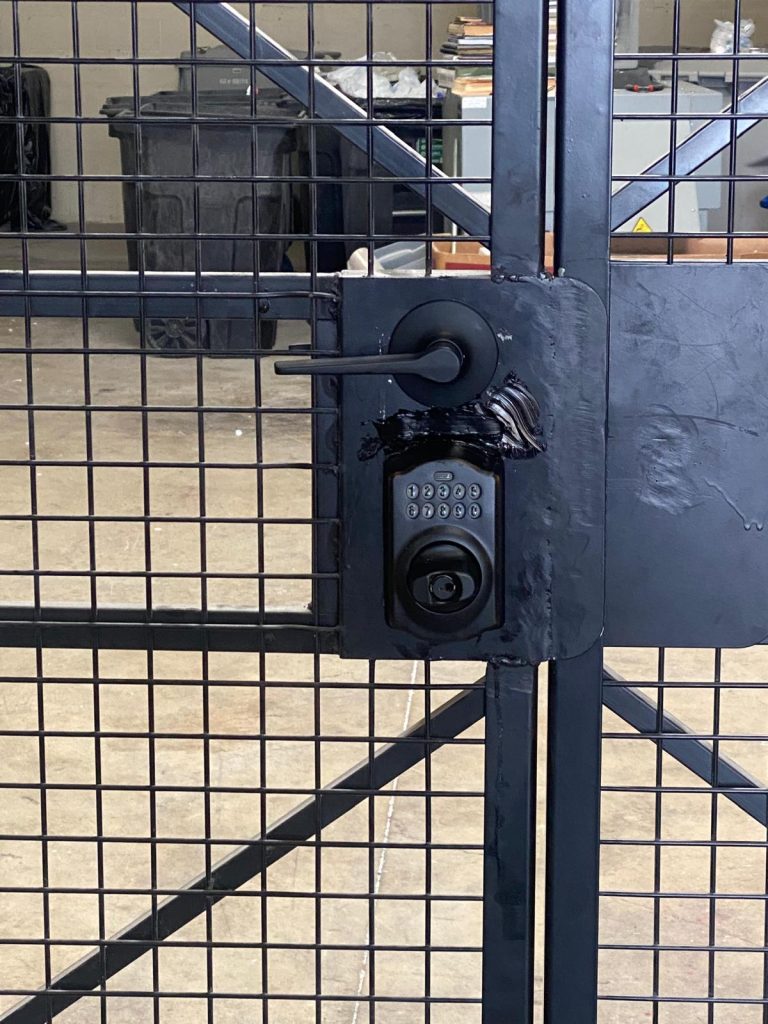
If frozen locks are a recurring problem, consider upgrading to weather-resistant lock models. Locks with sealed cylinders and corrosion-resistant internal components perform significantly better in extreme cold. Smart locks with keypad entry eliminate the frozen keyway problem entirely — no key needed means no keyhole to freeze. For commercial properties, electromagnetic locks mounted on the interior side of doors are completely immune to exterior weather conditions.
Frequently Asked Questions
Will WD-40 prevent locks from freezing?
While WD-40 can temporarily displace moisture, it’s not recommended for lock maintenance. It attracts dirt over time and can gum up pin mechanisms. Use graphite or Teflon-based lubricants designed specifically for locks.
Can a frozen lock damage my key?
Yes. Forcing a key in a frozen lock can bend, twist, or break the key. If the key doesn’t turn with moderate pressure, stop and use a de-icing method before continuing.
How cold does it need to be for locks to freeze?
Locks can freeze at any temperature below 32°F (0°C), but problems become most common below 20°F (-7°C). High humidity, precipitation, and temperature fluctuations increase freeze risk at any below-freezing temperature.
Are smart locks affected by cold weather?
Smart lock electronics generally function in cold weather, but battery life decreases in extreme cold and touchscreens may become less responsive. Most quality smart locks are rated to 0°F, but batteries may need more frequent replacement during winter.
Should I pour hot water on a frozen car lock?
No. Hot water temporarily melts the ice but the excess water refreezes quickly, often making the problem worse. Use lock de-icer, hand sanitizer, or a warmed key instead.
🔒 Need help now? (833) 310-6128 — Available 24/7