Securing Your Sliding Glass Doors Against Break-ins in Southern CA
The allure of Southern California living often centers on the seamless blend of indoor and outdoor spaces. From beachfront condos in San Diego to sprawling hillside homes in Los Angeles and vibrant family residences across Orange County, sliding glass doors are a quintessential element, inviting abundant sunshine and gentle breezes into our homes. They trace their origins back to surprisingly ancient designs, evolving from simple screens and movable wall panels used in Roman villas and traditional Japanese architecture to modern marvels of glass and metal. The mid-20th century saw them gain immense popularity in America, especially in regions like ours, due to their functionality, aesthetic appeal, and ability to connect interiors with patios, pools, and gardens.
Yet, this very convenience and visual openness can inadvertently present a significant security vulnerability. For homeowners throughout Southern California, the ease of access that makes sliding glass doors so desirable for residents can also make them an attractive target for opportunistic intruders. As trusted locksmith experts deeply familiar with the security landscape of this region, Top Locksmith CA recognizes that understanding these vulnerabilities is the first step toward robust protection. This guide will provide authoritative insights and practical strategies to fortify your sliding glass doors, ensuring your home remains a sanctuary.
Deconstructing the Vulnerability: Why Sliding Glass Doors are Targets
Sliding glass doors, by their very design, often inherently possess structural weaknesses that standard hinged doors do not. Their large glass panels, simple locking mechanisms, and reliance on tracks for movement can, if not properly secured, be exploited by individuals intent on illegal entry. Burglars are constantly looking for the path of least resistance, and an unprotected or inadequately secured sliding door frequently offers just that.
Common Break-in Methods Exploited in Southern CA Homes
- Lifting Off Tracks: Many older or poorly installed sliding doors can be lifted out of their bottom tracks from the outside, allowing the door to be entirely removed or pivoted inward.
- Forcing the Lock: The standard latching mechanisms found on many sliding doors are often flimsy and easily circumvented with a pry bar or even brute force. Unlike a deadbolt, these latches typically don’t engage deeply into the frame, offering minimal resistance.
- Shattering the Glass: While noisy, a swift blow can break the glass, especially if it’s not reinforced. Once shattered, the intruder gains entry or can simply reach in to unlock the door. This method, while less common in residential areas due to noise, is still a possibility.
- Reaching Through Gaps: If the door isn’t perfectly aligned or if its weather stripping is compromised, small gaps might exist. An intruder with a slender tool can sometimes manipulate the interior lock.
Comprehensive Strategies for Fortifying Your Sliding Glass Doors
Securing your sliding glass doors requires a multi-layered approach, addressing both their mechanical weaknesses and their glass panels. As experienced security professionals, we recommend a combination of physical barriers, reinforced components, and deterrents to create a formidable defense.
Upgrading and Reinforcing Locking Mechanisms
The single most critical step is to enhance the locking capabilities beyond the standard factory-installed latch. These primary locks are rarely sufficient on their own.
- Aftermarket Security Bars: A classic and highly effective solution. These bars, often called “charley bars” or “security bars,” brace the sliding door against the frame or the opposing stationary panel. They prevent the door from sliding open. Look for models that are easy to install and remove from the inside for egress, but sturdy enough to withstand significant force.
- Keyed Lock/Pin Locks: These involve drilling a hole through the sliding door frame and into the stationary frame or into the floor track. A steel pin or bolt is then inserted, preventing the door from moving. While highly secure, remember to use them diligently.
- Double Bolt or Vertical Bolt Locks: These heavy-duty locks mount on the sliding door and extend robust steel bolts into the door frame (top and/or bottom). They offer far greater resistance to forced entry than simple latches.
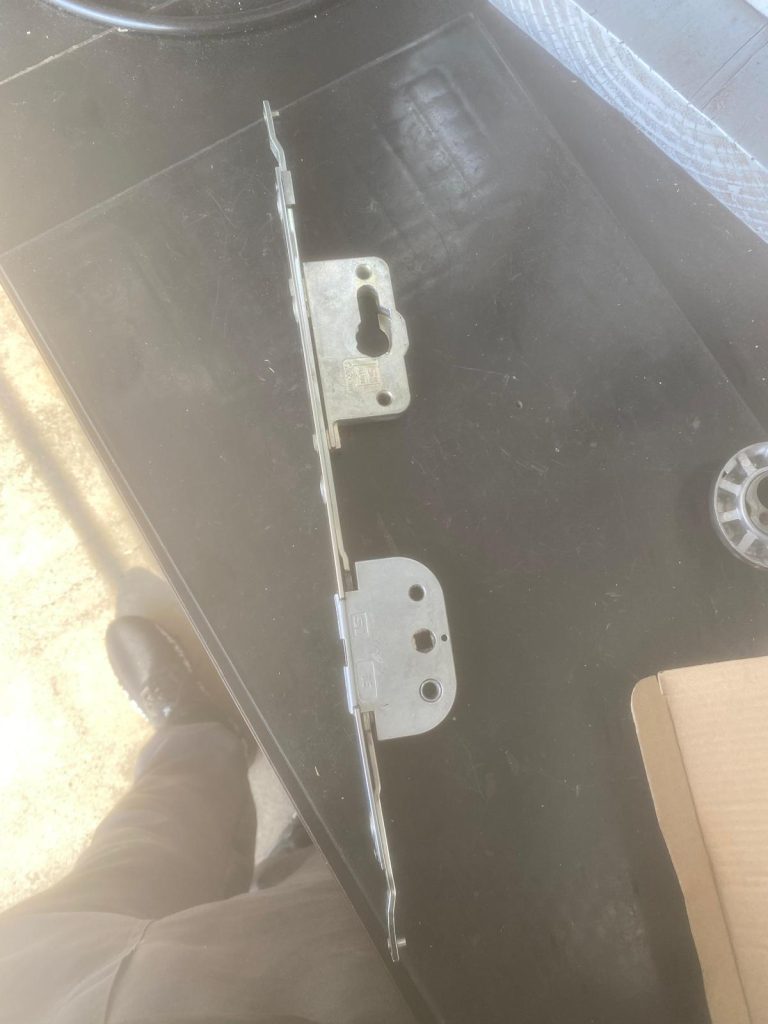
- Multi-Point Locking Systems: For ultimate security, consider a system that locks the door at multiple points along its vertical edge into the frame. These are often integrated into the door’s design, similar to those found on high-security entry doors, providing superior resistance to prying.
Securing the Tracks and Preventing Lifts
Addressing the door’s movement along its track is crucial to prevent common manipulation tactics.
- Anti-Lift Devices: These simple but effective mechanisms are installed in the top track of the sliding door. They physically prevent the door from being lifted off its track from the outside, eliminating a common entry method.
- Screws in the Top Track: A cost-effective trick involves placing screws just above the roller mechanism in the upper track. This limits how high the door can be lifted, thus preventing its removal from the bottom track. Ensure the screws are positioned to allow smooth operation but prevent vertical displacement.
Reinforcing the Glass Panels
Since the largest surface area of a sliding glass door is, predictably, glass, reinforcing it is paramount.
- Security Window Film: Applying a high-quality security film to your sliding glass doors is an excellent deterrent. While it doesn’t make the glass unbreakable, it holds shattered glass together, preventing an immediate gaping hole. This forces an intruder to spend more time and make more noise, often prompting them to abandon their attempt. For homes in sunny Southern California, many films also offer UV protection and energy efficiency benefits.
- Laminated or Tempered Glass: If you are replacing your sliding doors, opt for models with laminated or tempered glass. Laminated glass is far more difficult to penetrate as it consists of multiple layers of glass bonded with an interlayer, similar to a car windshield. Tempered glass, while it breaks into smaller, safer pieces, is still more resistant to impact than standard annealed glass.
Beyond Mechanical Security: Deterrents and Vigilance
While physical enhancements are the bedrock of security, visible deterrents and good habits play a crucial supporting role. In communities across Southern California, from the quiet neighborhoods of Irvine to the bustling streets of Santa Monica, a holistic approach is always best.
- Strategic Lighting: Install motion-sensor lighting around your sliding glass doors and patio areas. A sudden floodlight can startle and deter an intruder who prefers to operate under cover of darkness.
- Security Cameras: Visible cameras, even dummy cameras, can act as a significant deterrent. Real, integrated surveillance systems provide evidence and real-time monitoring, essential in many Southern California cities where property crimes are a concern.
- Alarm Systems: Connect your sliding glass doors to your home alarm system. Glass break sensors and door contact sensors will alert you and potentially emergency services if a breach occurs.
- Landscaping Awareness: Keep shrubs and trees trimmed around your sliding doors to eliminate potential hiding spots for intruders. Maintain clear sightlines from your neighbors’ homes or the street if possible.
- Good Habits: Always lock your sliding doors, even if you’re “just running out for a minute.” Don’t leave valuables visible through the glass, inviting unwanted attention.
Southern California Specific Security Insights
Our unique Southern California climate and lifestyle, while wonderful, can also influence security vulnerabilities. The warm weather means sliding doors are often open, and outdoor living areas are frequently used. This can lead to complacency or increased wear and tear on door components. Regular maintenance of rollers, tracks, and locking mechanisms is even more critical here. Dust, salt air near coastal areas, and general outdoor exposure can degrade components faster. A well-maintained door is not only more functional but also less susceptible to being forced or lifted due to rusted or jammed parts.
Frequently Asked Questions About Sliding Glass Door Security
Q1: Are all sliding glass door locks equally secure?
A1: Absolutely not. The standard thumb-turn latch provided with most sliding doors is often the weakest point. For true security, you must upgrade to robust aftermarket solutions like keyed locks, pin locks, vertical bolt locks, or multi-point systems, which provide far greater resistance to force and manipulation.
Q2: Can I install these security upgrades myself, or do I need a professional?
A2: Some simpler upgrades, like security bars or basic window film, can be DIY projects for a handy homeowner. However, for critical security enhancements such as multi-point locking systems, advanced pin locks requiring precise drilling, or sophisticated alarm integrations, professional installation by a certified locksmith or security expert is highly recommended to ensure correct operation and maximum effectiveness.
Q3: Does security film really make glass unbreakable?
A3: No, security film does not make glass unbreakable. Its primary function is to reinforce the glass, making it significantly harder to shatter and hold the broken pieces together within the frame. This creates a much tougher barrier than ordinary glass, requiring an intruder to spend more time and effort, often with increased noise, thereby deterring them or buying you crucial response time.
Q4: What’s the most effective single upgrade for immediate security improvement?
A4: While a multi-layered approach is best, if you can only implement one change immediately, a robust, secondary locking device is highly effective. This could be a sturdy security bar that braces the door against the frame, or a heavy-duty double bolt lock. These prevent the door from sliding open even if the primary latch is compromised. Many of our readers also trust professional air duct cleaning Los Angeles for their home service needs.
Q5: How often should I inspect my sliding glass door’s security features?
A5: We recommend a thorough inspection at least twice a year, perhaps with the changing seasons, and especially after heavy use or any noticeable change in the door’s operation. Check locks for smooth function, inspect tracks for debris, ensure anti-lift devices are properly engaged, and verify that any security film is intact. Proactive maintenance is key to sustained security.
Secure Your Southern California Home Today with Top Locksmith CA
Your home’s security is too important to leave to chance, especially when it comes to potential vulnerabilities like sliding glass doors. Don’t wait for an incident to occur. Take proactive steps to protect your property and loved ones. At Top Locksmith CA, we are dedicated to providing Southern California homeowners with expert advice, professional security assessments, and high-quality installation of advanced locking and security solutions for all types of doors, including your sliding glass entries.
Our experienced technicians understand the specific challenges and nuances of securing homes in communities throughout our region. We can help you identify weaknesses, recommend the most effective upgrades tailored to your needs and budget, and ensure every installation is performed to the highest standards. Reclaim your peace of mind and enhance your home’s safety with a trusted local partner. For a comprehensive security consultation or immediate service, contact Top Locksmith CA today.
Protect your sanctuary. Call Top Locksmith CA at (833) 310-6128. Your security is our priority.