One of the most profound joys of life in Southern California is the vibrant energy of family. Our homes, whether sprawling Ranch styles in Irvine or charming bungalows in Pasadena, are central to this experience. Yet, beneath the warmth and laughter, a critical oversight often lurks: a failure to adequately secure restricted areas from curious young explorers. Many homeowners make the common mistake of assuming that watchful eyes alone are enough, or that a simple “don’t touch” command will suffice. This passive approach can have serious consequences, particularly when it comes to safeguarding children from hazardous spaces.
The truth is, a child’s natural curiosity knows no bounds, and their capacity for mischief often outpaces our ability to predict it. As they grow, their dexterity and problem-solving skills develop rapidly, turning what seemed like an impenetrable barrier yesterday into an intriguing challenge today. Relying solely on verbal warnings or intermittent supervision, especially in a bustling Southern CA household, is not a strategy; it’s a gamble. This blog post aims to guide you through the common pitfalls in childproofing with locks, ensuring your home provides a truly secure environment for your little ones, from the bustling kitchens of Long Beach to the serene backyards of Santa Monica.
Mistake #1: Underestimating a Child’s Ingenuity and Physical Ability
Perhaps the most fundamental error parents and caregivers make is believing a child won’t figure it out, or won’t be able to reach. This underestimation is a dangerous game. What seems like an insurmountable obstacle to an adult often presents itself as an exciting puzzle to a determined toddler. Children as young as two or three can stand on chairs, manipulate simple latches, or even mimic adult actions they’ve observed. The belief that “they’re not tall enough” or “it’s too complicated for them” quickly evaporates the moment a curious hand opens a cabinet containing cleaning chemicals or an unsupervised door leading to a busy street in Glendale.
Ignoring the Rapid Developmental Stages
Childproofing isn’t a one-time task; it’s an evolving process that must adapt to your child’s growth. A lock that was perfectly secure for a crawling infant may be trivial for a climbing preschooler. Regularly assess your home from a child’s perspective, literally getting down on your hands and knees. This unique vantage point reveals potential dangers and accessible points that adult height can easily overlook, from electrical outlets low on the wall to enticing appliance knobs in an open-plan kitchen.
Mistake #2: Relying Solely on Generic, Off-the-Shelf Child Safety Latches
While the market is flooded with various childproofing gadgets, not all are created equal, and certainly not all are suited for every application. A common mistake is to grab the cheapest or most readily available option without considering its effectiveness, durability, or the specific hazard it’s meant to mitigate.
Overestimating the Strength and Durability of Standard Latches
Many basic plastic latches, while easy to install, are also surprisingly easy for older toddlers to defeat. A good tug, a twist, or even just persistent fiddling can often pop them open. For high-risk areas, or areas where expensive or dangerous items are stored, a more robust solution is absolutely necessary. Think beyond the visible plastic clips and consider the long-term effectiveness and resilience of your chosen childproofing measures. Southern CA homes often have a variety of door types, from sleek modern designs to rustic wooden panels, and a one-size-fits-all approach to latching simply won’t cut it.
Ignoring the “Out of Sight, Out of Mind” Fallacy
Some child safety products are designed to be inconspicuous, which can be a double-edged sword. While it keeps your home looking aesthetically pleasing, it can also lead to a false sense of security. If the mechanism is too hidden, adults might forget to engage it, or it might be difficult to verify at a glance if the area is indeed secured. Visibility, when it comes to safety, can sometimes be a virtue, reminding everyone in the household to be vigilant.
Mistake #3: Neglecting High-Risk, Seldom-Considered Areas
Most parents diligently secure kitchen cabinets and bathroom vanity doors. However, several other critical areas are frequently overlooked, posing significant threats. Childproofing is about comprehensive coverage, not just tackling the obvious.
The Kitchen: A Culinary Minefield Beyond the Cabinets
Beyond the lower cabinets containing cleaning supplies, consider your oven, dishwasher, and refrigerator. Oven door locks prevent burns and access to controls. Dishwasher locks stop children from playing with sharp utensils or ingesting detergent. Refrigerator locks, while less common, can prevent consumption of raw ingredients, pet food, or medications often stored within.
Bathrooms: Water, Chemicals, and Hidden Dangers
It’s not just the cleaning products under the sink. Toilet lid locks prevent drowning hazards for very young children. Medication cabinets, even those out of immediate reach, should have secure locks. Electrical outlets near sinks must be tamper-resistant. And for homes with older plumbing in areas like Pasadena, ensure hot water temperature is set safely to prevent scalding.
Garage/Workshop: Tools, Toxins, and Heavy Machinery
This is often the most dangerous “room” in a home. Lawn chemicals, power tools, sharp objects, car parts, and even vehicles themselves present grave risks. The door from your house to the garage absolutely needs a high-security lock, preferably a keyed deadbolt. All cabinets and toolboxes within the garage should also be securely locked. For Southern CA homes with detached garages, ensure both internal and external access points are robustly protected.
Utility Closets & Laundry Rooms: Cleaning Supplies & Appliances
These areas often house potent cleaning agents, laundry detergents, and heavy, moving appliances. Washer and dryer doors should have child locks, and shelves with chemicals should be inaccessible. Even the water heater closet can be a dangerous, confined space for a child to explore.
Exterior Doors & Gates: The Great Escape and Pool Safety
In sunny Southern California, outdoor living is a way of life, but it also presents unique childproofing challenges. Doors leading to backyards, pools, or front yards must be secured. Pool safety laws in California are strict for a reason; gates leading to pools must have self-latching, self-closing mechanisms with latches positioned too high for a child to reach. Similarly, gates to fences or even front gates in communities like Beverly Hills need appropriate locking solutions to prevent a child from wandering off the property.
Mistake #4: Choosing the Wrong Type of Lock for the Job
Just as you wouldn’t use a screwdriver to hammer a nail, selecting an inappropriate lock type for a specific childproofing challenge is a common error. Understanding the array of available locking mechanisms is key to effective safety.
Magnetic Cabinet Locks: Discreet and Secure
These locks are installed inside cabinets and drawers, making them invisible from the outside. They are opened with a magnetic key, which can be stored out of a child’s reach. They offer superior security compared to external latches and are ideal for keeping chemicals, sharp objects, or medications safe in kitchens and bathrooms.
Lever Handle Locks/Door Knob Covers: Preventing Access to Rooms
For interior doors leading to restricted rooms (like an office, laundry room, or garage), lever handle locks or door knob covers are invaluable. Lever handle locks replace existing handles with a child-resistant mechanism. Door knob covers fit over existing knobs, making them difficult for small hands to grip and turn. For more critical areas, consider a locking knob or a deadbolt.
Sliding Door Locks: Patio & Closet Safety
Southern California homes often feature numerous sliding glass doors leading to patios or balconies. These require specialized locks to prevent children from opening them and accessing outdoor hazards or even the street. Options range from simple clamp locks to more robust charley bars or foot locks that physically impede movement.
Deadbolts & Keyed Locks: For High-Security Areas
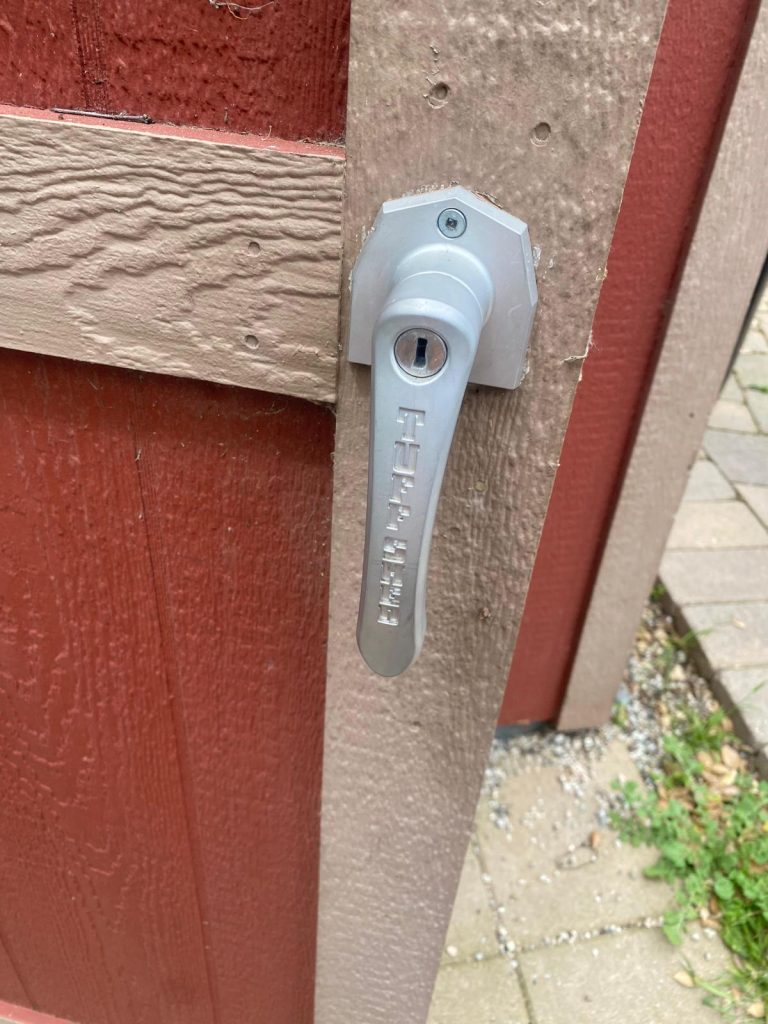
For exterior doors, the garage door leading into the house, or a shed where dangerous equipment is stored, a robust keyed deadbolt is paramount. These offer a level of security that simple child latches cannot. Ensure the keys are stored in a safe, accessible place for adults but out of a child’s reach. In emergencies, adults must be able to open these quickly.
Gate Latches: Securing Outdoor Spaces
Especially for properties with pools or significant outdoor access in the Inland Empire, robust gate latches are critical. Look for self-latching, self-closing models that require an adult to actively disengage them and are positioned well above a child’s reach. Regular maintenance of these latches is essential to ensure they don’t fail.
Mistake #5: Forgetting About Maintenance, Regular Checks, and Upgrades
Childproofing isn’t a “set it and forget it” task. Over time, locks can wear out, mechanisms can become faulty, or children can simply outgrow their initial effectiveness. A key mistake is neglecting the ongoing upkeep of your childproofing system.
Routine Inspections are Non-Negotiable
Make it a habit to regularly inspect all childproofing locks and barriers. Check for wear and tear, ensure they are still securely attached, and verify that they are functioning correctly. A loose screw on a cabinet lock or a stiff mechanism on a gate latch can render it useless.
Adapting to Developmental Milestones
As mentioned earlier, your child’s abilities evolve. What was secure for a one-year-old might be easily circumvented by a three-year-old. Be prepared to upgrade or change your childproofing solutions as your child grows and gains new skills, always staying one step ahead of their developing ingenuity.
Mistake #6: Attempting DIY When Professional Expertise is Needed
While many basic childproofing products are designed for DIY installation, there are instances where professional locksmith expertise is not just helpful but essential. Trying to handle complex lock installations, security upgrades for exterior doors, or integrating safety solutions into non-standard structures can lead to vulnerabilities.
When to Call in the Experts
If you’re looking to install new deadbolts on exterior doors, upgrade interior door locks for specific rooms (e.g., a home office or utility room), or require custom solutions for unique architectural features common in Southern CA homes, a professional locksmith is your best resource. They ensure locks are installed correctly, function optimally, and provide the maximum level of security. Improper installation can weaken the lock’s integrity, leaving a dangerous gap in your home’s defenses.
A professional locksmith from Top Locksmith CA can also assess your entire home from a security and childproofing perspective, identifying hidden vulnerabilities you might have missed. They understand the nuances of various lock types and can recommend the most effective and durable solutions tailored to your specific needs, giving you invaluable peace of mind.
Frequently Asked Questions About Childproofing Locks
Q1: At what age should I start childproofing with locks?
A: It’s best to start before your baby is crawling, typically around 6-9 months, but even earlier for some eager explorers. By the time they are mobile, they will be reaching for everything. It’s always better to be proactive than reactive.
Q2: Are all childproofing locks easy for adults to open?
A: Most childproofing locks are designed for easy adult access while remaining difficult for children. Magnetic locks use a magnetic key, while many latches require a specific sequence of motions or pressure that is beyond a child’s fine motor skills. However, ensure all adults and older children living in or regularly visiting your home know how to operate them.
Q3: Can Top Locksmith CA help with installing child safety locks on all types of doors?
A: Absolutely. Top Locksmith CA specializes in a wide range of lock installations, from robust deadbolts on exterior doors to specialized internal locks for restricting access to specific rooms or garages. We can recommend and install durable, effective solutions that go beyond basic childproofing gadgets, ensuring professional-grade security for your family across Southern CA.
Q4: What about windows? Do they need special locks?
A: Yes, windows are a critical part of childproofing, especially in multi-story homes or homes with ground-floor windows near busy areas. Window locks, stops, or guards prevent windows from opening wide enough for a child to fall out or escape through. Never rely solely on screens to prevent falls, as they are not designed to bear weight.
Secure Your Southern CA Home Today with Top Locksmith CA
Ensuring your home is a sanctuary for your children requires a meticulous approach to safety and security, especially when it comes to restricted areas. Don’t fall prey to common childproofing mistakes. Instead, empower yourself with the right knowledge and the right partners. For comprehensive childproofing lock solutions, expert installation, and peace of mind in your Southern California home, look no