🔑 (833) 310-6128 — 24/7 Emergency Locksmith Service
⚡ Fast Response 🛡️ Licensed & Insured ✅ All Locks
🔐
TOP LOCKSMITH
CA
📞
(833) 310-6128

Coastal Corrosion: Choosing Weather-Resistant Locks for Southern CA Beachfront Homes

Coastal Corrosion: Choosing Weather-Resistant Locks for Southern CA Beachfront Homes

Let’s be blunt: your charming beachfront home in places like Malibu, Santa Monica, or La Jolla is secretly under attack. Your locks? They’re likely failing you, corroding quietly, even as you read this.

It’s a stark truth many homeowners along Southern California’s stunning coastline prefer not to dwell on, but it’s an unavoidable reality. The very air that makes our coastal communities so desirable—salty, humid, constantly moving—is a relentless enemy to standard metal fixtures, especially your security hardware. We understand the unique challenges of coastal living; the incessant battle against rust, the fading paints, the wear and tear on everything exposed to the ocean breeze. It’s frustrating, and often, the first thing to degrade quietly is the last thing you want to fail: your locks.

But there’s no need to despair. This isn’t a problem without solutions, nor is it an issue that demands constant, costly repairs if approached correctly from the outset. Instead, think of it as an opportunity for a smart, long-term investment. Let’s break down the true costs and genuine value of choosing weather-resistant locks for your Southern California beachfront sanctuary.

The Hidden Cost of “Standard” Security: Why Your SoCal Beachfront Home is Vulnerable

Most conventional locks, made from materials like zinc alloy or standard steel, are simply not engineered for the harsh, corrosive environment of a seaside property. The constant exposure to salt spray and high humidity accelerates oxidation, turning robust metal into brittle, rusty pieces in a remarkably short time. This isn’t just an aesthetic issue; it’s a severe security vulnerability.

The Price of Ignoring Corrosion

  • Frequent Replacements: The most obvious cost. If your locks seize, become stiff, or keys start snapping inside, you’re looking at replacement costs every few years, rather than decades. This accumulates quickly.
  • Compromised Security: Rust weakens internal mechanisms, making locks easier to break or pick. A beautiful home in Newport Beach deserves robust security, not just the illusion of it.
  • Home Value Depreciation: Peeling, rusted hardware on doors and gates detracts from curb appeal and signals a lack of maintenance, potentially affecting your home’s resale value.
  • Lost Peace of Mind: The lingering worry that your entry points aren’t as secure as they should be is an intangible, yet significant, cost. Can you truly relax when you know your primary defense is rusting away?

The upfront savings of choosing cheaper, standard locks are quickly dwarfed by these recurring tangible and intangible costs. It’s a classic example of “penny wise, pound foolish.”

Investing in Durability: Understanding Weather-Resistant Lock Materials

The core of a weather-resistant lock lies in its material composition. Choosing the right material is not just about spending more; it’s about making a strategic investment that pays dividends in longevity, performance, and security.

Stainless Steel: The Robust Investment

Initial Investment: Moderate to High

Often considered the workhorse of coastal hardware, high-grade stainless steel (like 316 marine-grade) offers excellent corrosion resistance. While the initial cost might be higher than standard locks, its durability far outweighs the premium, especially for properties overlooking the Pacific from Dana Point to Ventura.

  • Pros: Exceptional resistance to salt and moisture, maintains structural integrity, relatively low maintenance. Ideal for exterior doors and gates that bear the brunt of ocean winds.
  • Cons: Can be more expensive than brass or standard steel. Some lower-grade stainless steels (e.g., 304) may still show signs of “tea staining” or surface rust in extreme environments, though typically not structural damage.
  • Long-term Value: Decades of reliable service, minimal replacement costs, consistent security.

Marine-Grade Brass: A Classic, Cost-Effective Choice

Initial Investment: Moderate

Solid marine-grade brass is another fantastic option for coastal applications. Unlike plated brass, solid brass won’t chip or peel, ensuring its corrosion resistance lasts. It naturally tarnishes over time, developing a rich patina that many find aesthetically pleasing, fitting perfectly with the timeless charm of many Laguna Beach or Coronado homes.

  • Pros: Excellent natural corrosion resistance, develops a desirable patina, durable, good tensile strength. Aesthetically versatile.
  • Cons: Can be softer than stainless steel, making it potentially more susceptible to damage in extremely high-traffic or high-impact areas if not solid. Requires occasional polishing if you want to maintain a shiny finish (an optional “cost” in terms of time).
  • Long-term Value: Very good lifespan, classic appearance that weathers beautifully, fewer replacement cycles.

Bronze & Special Alloys: The Premium Price, Premium Protection

Initial Investment: High

For those seeking the absolute pinnacle of corrosion resistance and unique aesthetics, bronze and specialized alloys (like specific types of naval brass or coated aluminum alloys) represent a premium choice. Bronze shares many characteristics with brass but often boasts even greater resistance to saltwater environments and offers a distinct, often darker, finish. These are often chosen for custom homes where every detail, including the longevity of the hardware, is paramount.

  • Pros: Superior corrosion resistance, distinct high-end aesthetic, extremely durable.
  • Cons: Significantly higher initial cost. Limited design availability compared to more common materials.
  • Long-term Value: Exceptional longevity, distinct curb appeal, virtually no maintenance issues related to corrosion.

Protective Coatings & Finishes: Adding Layers of Value

Initial Investment: Adds to base cost, but significantly extends life

Beyond the base material, the finish plays a crucial role. Physical Vapor Deposition (PVD) finishes, for instance, are molecularly bonded coatings that are incredibly durable and resistant to tarnish, scratches, and corrosion. Electroplating and powder coating also offer additional layers of protection, though PVD generally stands out for coastal applications. Always inquire about the finish’s specific resistance ratings.

  • Cost-Benefit: While adding to the upfront price, a high-quality finish dramatically extends the life of even a good base material, deferring future replacement costs and maintaining appearance.

Beyond Materials: The Cost of Compromise in Lock Types

It’s not just the material; the type of lock and its internal mechanisms also matter. Investing in high-quality weather-resistant materials for a flimsy lock design still represents a security compromise.

Heavy-Duty Deadbolts: Your Foundational Investment

Your primary defense, deadbolts, must be robust inside and out. For coastal homes, this means internal components (springs, pins) should also be corrosion-resistant or coated. The cost of a solid, single or double-cylinder deadbolt made from marine-grade brass or stainless steel, with sealed mechanisms, offers incomparable security and durability over cheaper alternatives. This investment protects the structural integrity of your entire entry system.

Coastal-Grade Handle Sets: Balancing Aesthetics and Price

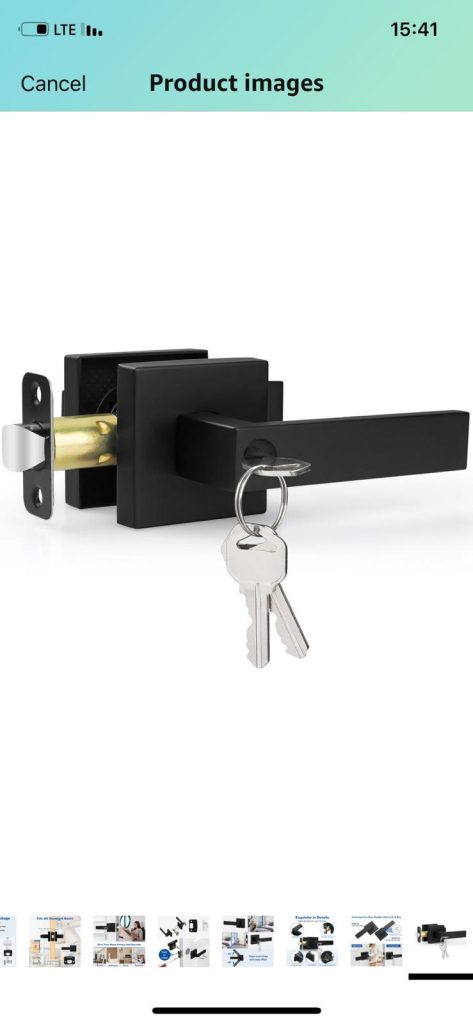
Handle sets, often combining a latch and a deadbolt function, are frequently exposed. Choosing sets where all visible and internal components are specifically rated for marine environments is vital. The “cost” here is ensuring visual consistency with durability. There are beautiful designs available in resistant finishes that don’t compromise on function, from classic Mission-style for homes in Carpinteria to sleek modern designs for Santa Monica high-rises.

Smart Locks for the Coast: The Tech Investment & Its Challenges

Smart locks offer convenience, but their electronic components can be vulnerable to moisture and salt. The “cost” here is doing your research to find smart locks explicitly designed and rated for outdoor, coastal use. Look for models with high IP (Ingress Protection) ratings and seals, and often, those made with corrosion-resistant exterior casings. They might be a higher upfront investment, but the right model can withstand the elements, integrating security and technology without constant repair or replacement.

The Minimal Investment: Routine Maintenance for Maximum Lifespan

Even the best weather-resistant locks benefit from a small, consistent investment in maintenance. Think of it as a low-cost insurance policy for your higher initial investment.

  • Regular Cleaning: A quick wipe-down with fresh water and a soft cloth, especially after strong winds or fog, removes salt residue. Cost: Minutes of your time.
  • Lubrication: Periodically applying a graphite-based lubricant (avoid oil-based ones, which can attract dirt) to keyholes and internal mechanisms keeps everything moving smoothly. Cost: A few dollars for a can, lasts for years.
  • Inspection: A quick visual check for any signs of wear or rust allows for early intervention, preventing minor issues from becoming costly repairs. Cost: Observant eyes.

This small commitment saves you the significant cost and inconvenience of unexpected lock failures, emergency locksmith calls, and premature replacements. It truly is the gift that keeps on giving to your security system.

Your Security ROI: The Ultimate Peace of Mind

When you choose weather-resistant locks for your Southern California beachfront home, you’re not just buying metal and mechanisms. You are investing in robust security, undeniable curb appeal, and significant long-term savings. More importantly, you’re buying peace of mind – the intangible, yet invaluable, certainty that your haven is protected against the unique challenges of coastal living, day in and day out, whether you’re home in Palos Verdes or away.

The total cost-benefit analysis overwhelmingly favors investing wisely upfront. A lock built for the coast will endure, secure your property more effectively, and look better doing it, year after year, saving you money, hassle, and worry.

Frequently Asked Questions About Coastal Lock Solutions

Q1: Will even marine-grade locks eventually rust near the ocean?

A: While marine-grade locks (especially those made from 316 stainless steel or solid brass/bronze) are highly resistant, no material is entirely immune to extreme conditions over decades. However, they are designed to resist corrosion significantly longer than standard materials, often outlasting the home itself with proper maintenance. Surface discoloration might occur, but structural integrity should remain intact.

Q2: Can I just get my existing locks coated to make them weather-resistant?

A: It depends. Some finishes like PVD or powder coating can be applied, but this is usually done during manufacturing. Applying a simple spray-on sealant or paint to existing, non-resistant

Related Services

← Back to Blog

Need a Locksmith?

Available 24/7 for emergency locksmith services across California.

📞 Call (833) 310-6128
📞 Call Now — Free Estimate