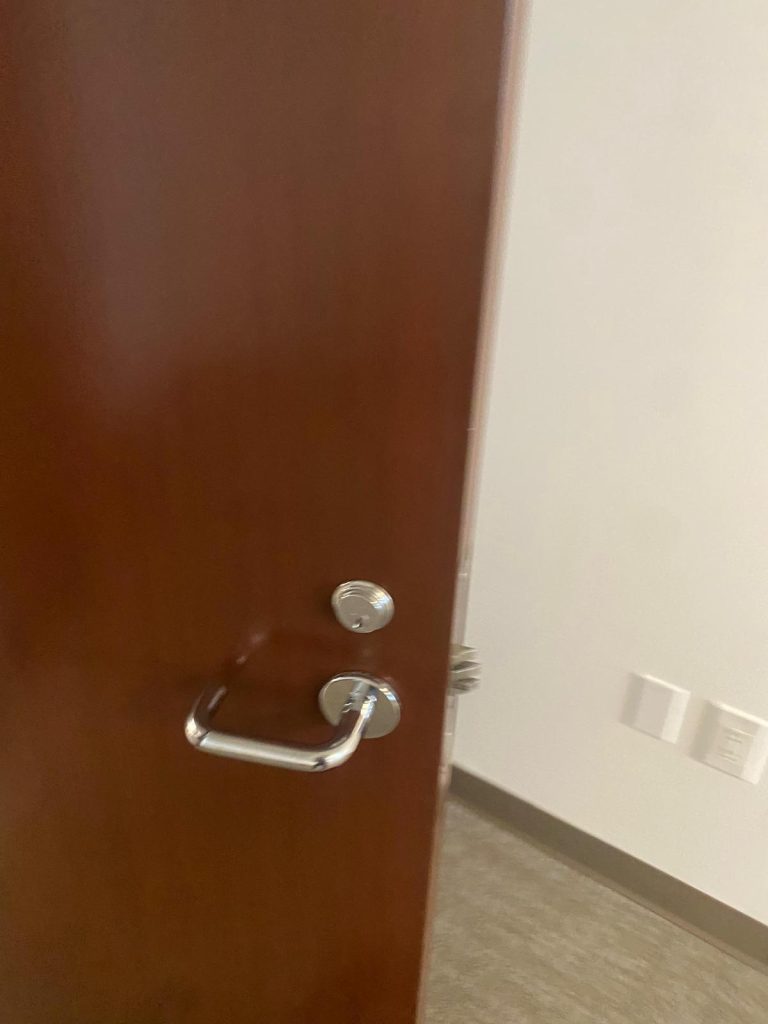

Should You Rekey Your Locks? 7 Warning Signs You Cannot Ignore
Your door locks are the primary physical barrier between your family, your belongings, and the outside world. Yet most homeowners give very little thought to who might have copies of their keys or whether their locks still provide adequate security. The reality is that there are many situations where rekeying your locks is not just a good idea — it is essential for your safety.
Rekeying is a straightforward process where a locksmith changes the internal pin configuration of your existing lock so that the old keys no longer work and new keys are created. It is faster and more affordable than replacing the entire lock, yet it provides the same level of security as a brand-new lock. Understanding when rekeying is necessary can protect you from break-ins, unauthorized access, and the anxiety of not knowing who has access to your home.
Here are seven warning signs that tell you it is time to rekey your locks immediately — and what to do about each one.
1. You Just Moved Into a New Home
This is the number one reason to rekey your locks, and yet a surprising number of new homeowners skip this critical step. When you buy or rent a new property, you have absolutely no way of knowing how many copies of the existing keys are floating around. The previous owners may have given keys to family members, neighbors, pet sitters, house cleaners, contractors, real estate agents, and others.
Even if the previous owner hands you all the keys they have, they cannot account for every copy ever made. Keys can be duplicated at any hardware store for a few dollars, and there is no tracking system for who made copies. A study by the National Association of Realtors found that the average home sale involves at least 6 to 10 people who have access to the property during the listing and selling process — including agents, inspectors, appraisers, contractors, and stagers.
The cost of rekeying all exterior locks on a typical home is $100 to $250, a tiny fraction of what you just spent on the property. It takes a locksmith about 30 to 60 minutes to rekey 3 to 5 locks, and the peace of mind is immediate and total. For our full range of services for new homeowners, visit our residential locksmith page.
Action step: Schedule a locksmith to rekey all exterior locks within the first week of moving in. Do not wait — every day you delay is a day that unknown key holders could access your home.
2. You Lost Your Keys or They Were Stolen
Losing your keys is more than an inconvenience — it is a security event. If your keys are lost, you do not know who found them. If they were stolen, someone deliberately took them, possibly with the intent to use them later. In either case, there are keys to your home in unknown hands, and the only way to eliminate the risk is to rekey your locks.
This is especially urgent if your keys were lost or stolen along with identification that includes your home address — a wallet theft, for example. In that scenario, someone has both your keys and your address, giving them everything they need to access your home. Law enforcement agencies consistently recommend rekeying locks immediately after any theft that includes keys and identification.
Some people convince themselves that the risk is low — that whoever found their keys would not know which house they belong to. While this may be true for keys lost in a random location, consider that your keys were probably in a bag or pocket with other items that could identify where you live. Even a gym membership card, a piece of mail, or a business card can lead someone to your door.
Action step: If your keys are lost or stolen, rekey your locks within 24 hours. If identification was also lost or stolen, treat it as urgent — rekey the same day if possible, and file a police report. Our lock rekeying service offers same-day appointments for exactly these situations.
3. After a Breakup or Roommate Moving Out
When a romantic relationship ends or a roommate moves out, one of the first things you should do is rekey your locks. This is not about assuming the worst about someone — it is about establishing clear boundaries and ensuring that only current authorized residents have access to the home.
Relationships can be complicated, and even amicable separations can become contentious over time, especially when property, finances, or emotions are involved. Having an ex-partner or former roommate retain the ability to enter your home creates an unnecessary security risk and can escalate conflicts.
Asking someone to return their keys is not sufficient. There is no way to verify that all copies have been returned. Keys are easily and cheaply duplicated, and you cannot be certain that copies were not made at some point during the relationship. Rekeying eliminates any doubt.
This recommendation applies to all shared living situations: romantic partners, roommates, adult children who have moved out, and even family members with whom relationships have become strained. The small cost of rekeying is insignificant compared to the security and peace of mind it provides.
Action step: Rekey all locks that the departing person had access to. Do this promptly — the longer you wait, the easier it is to procrastinate indefinitely. Consider also changing garage codes, alarm codes, and any smart lock PINs that were shared.
4. After Hiring or Firing Service Workers
If you have given keys to contractors, house cleaners, dog walkers, nannies, property managers, or any other service providers, you should rekey your locks when those working relationships end. Even if the service provider is trustworthy, employees change, companies share keys among staff, and over time the chain of custody becomes impossible to verify.
This is particularly important after major renovation or construction projects. During a home renovation, multiple workers may have access to your keys over weeks or months. Subcontractors come and go, and the general contractor may have shared access with workers you never met. Once the project is complete, rekeying ensures that only you and your family have access.
For ongoing service relationships (current house cleaner, active nanny), consider using a smart lock with temporary codes instead of providing physical keys. Smart locks allow you to create unique codes for each person, set schedules for when codes are active, and revoke access instantly without needing to rekey. This is the modern solution to the age-old problem of key management.
Action step: Rekey locks after any service relationship ends. For active service providers, consider transitioning to smart locks with individual codes for better access control.
5. Your Key Operates Multiple Locks Around the Building
If you live in an apartment complex, condominium, or any multi-unit building where a master key system is in place, be aware that multiple people likely have keys that can open your lock. Building managers, maintenance staff, and previous tenants may all have had access to master or sub-master keys.
While you may not be able to change the master key configuration (that is the building owner’s responsibility), you can add additional security to your unit. Consider adding a secondary deadbolt that is not part of the master key system (check your lease first), using a door reinforcement kit, or installing a smart lock on your unit door if permitted.
If you are a building owner or property manager, regular rekeying of the master key system is essential — especially when employees who had master key access leave the organization. A compromised master key puts every unit in the building at risk. Our commercial locksmith services include master key system management for multi-unit properties.
Action step: If you manage a property with master keys, rekey the system whenever a key holder’s employment or tenancy ends. As a tenant, ask your landlord when locks were last rekeyed and advocate for rekeying between tenants.
6. Your Locks Are Old, Worn, or Damaged
Lock technology has improved significantly over the past decade. If your locks are more than 10 to 15 years old, they may not meet current security standards. Older locks may have wear patterns that make them easier to pick, bump, or force open. They may also use keyways that are easily duplicated at any hardware store without restriction.
Signs that your locks are past their prime include keys that stick, jiggle, or require wiggling to work; locks that do not fully engage or disengage smoothly; visible corrosion or rust; and deadbolts that do not throw completely into the strike plate. Any of these conditions weakens your security and warrants attention.
In some cases, rekeying alone may not be sufficient for very old or damaged locks — you may need a full lock replacement with modern, higher-security hardware. A locksmith can assess whether your existing locks can be rekeyed effectively or whether replacement is the better investment.
Modern high-security locks offer features that older locks simply do not have: pick resistance, bump resistance, drill resistance, restricted keyways (keys that cannot be duplicated without authorization), and reinforced strike plates. Upgrading from a basic builder-grade lock to a quality high-security lock is one of the most impactful home security improvements you can make.
Action step: Have a locksmith evaluate your locks if they are more than 10 years old or showing signs of wear. Get a recommendation on whether rekeying or replacement is the better option for your situation.
7. After a Break-In or Attempted Break-In
If your home has been burglarized or if there was an attempted break-in, rekeying or replacing your locks is essential — even if the intruder did not use a key to gain entry. There are several reasons for this: You may also be interested in Safe Opening Eastern Goleta Valley Ca services.
First, during a burglary, the intruder may have found and taken spare keys that you kept inside the home. Many people keep spare keys in kitchen drawers, bedroom nightstands, or other common locations that a burglar would search. If the burglar took those keys, they have a way to return.
Second, even if entry was made through a window or by forcing a door, the locks on that door may have been damaged in the process. Forced entry can bend lock mechanisms, crack mounting hardware, and compromise the structural integrity of the lock even if it appears to still function normally.
Third, rekeying after a break-in is an important psychological step. Knowing that your locks are fresh and that no unauthorized keys exist helps restore the sense of security that a break-in shatters. This peace of mind is valuable and should not be underestimated.
After a break-in, also consider upgrading your overall security: add a deadbolt if you only have a knob lock, install a door reinforcement kit, add security cameras, and consider an alarm system. Take a comprehensive approach to security rather than just addressing the point of entry. Our emergency locksmith service is available 24/7 for post-break-in lock replacement and security assessment.
Action step: After any break-in or attempted break-in, have a locksmith assess all locks, replace any that are damaged, and rekey the rest. Use this as an opportunity to upgrade your overall security posture.
Rekeying vs Replacing: Which Do You Need?
Understanding the difference between rekeying and replacing helps you make the right decision for your situation and budget:
Choose rekeying when:
- Your locks are in good physical condition
- You are happy with the style and security level of your current locks
- You want to save money (rekeying costs about 40% to 60% less than replacement)
- You need a quick solution (rekeying is faster than replacement)
- You want all locks to work with the same key (a locksmith can rekey all locks to match)
- Car Lockout Service in Bakersfield, CA
- Business Lock Change in Long Beach, CA
Choose replacement when:
- Your locks are old, worn, or damaged
- You want to upgrade to higher-security hardware
- You want to change the style or finish of your locks
- Your current locks are builder-grade (basic, low-security)
- You want to switch to smart locks or electronic locks
- The lock mechanism is not functioning smoothly
- Car Lockout Service in Bakersfield, CA
- Business Lock Change in Long Beach, CA
In many cases, a combination approach works best: replace locks that are worn or inadequate, and rekey locks that are still in good condition. A qualified locksmith can help you determine the best approach for each lock in your home.
How the Rekeying Process Works
Understanding what happens during a rekeying gives you confidence in the process and helps you recognize quality work:
- The locksmith removes the lock cylinder from the lock body. This is done from the inside of the door and takes just a minute or two.
- The cylinder is disassembled and the existing key pins are removed. These are the small pins that match the cuts on your current key.
- New key pins are installed that match a new key configuration. The locksmith selects pins from a pin kit to create a unique combination.
- The cylinder is reassembled and tested with the new key to ensure smooth operation.
- The cylinder is reinstalled in the lock body and the lock is tested from both sides of the door.
- New keys are cut to match the new pin configuration. Most locksmiths provide 2 to 3 keys per lock as part of the service.
The entire process takes about 10 to 15 minutes per lock for an experienced locksmith. If you are having multiple locks rekeyed to the same key (which we recommend for convenience), the locksmith configures all locks to the same pin pattern.
Preventive Measures Beyond Rekeying
While rekeying addresses the immediate concern of unauthorized key access, consider these additional security measures for comprehensive home protection:
- Door reinforcement: A reinforcement kit strengthens the door frame, hinges, and strike plate area — the weakest points in most doors. Cost: $50 to $150 installed.
- Smart locks: Eliminate key-based vulnerabilities entirely. With a smart lock, there are no physical keys to lose, copy, or steal. Access is managed digitally. Cost: $200 to $500 installed.
- Security cameras: Visible cameras deter opportunistic criminals. Modern systems are affordable and easy to install. Cost: $100 to $500 for a basic system.
- Motion-activated lighting: Well-lit entry points discourage break-in attempts. Solar-powered options require no wiring. Cost: $20 to $100 per light.
- Window locks: Do not neglect windows — they are a common entry point. Ensure all accessible windows have functioning locks. Cost: $5 to $30 per window.
- Car Lockout Service in Bakersfield, CA
- Business Lock Change in Long Beach, CA
Conclusion: Do Not Wait Until Something Happens
The biggest mistake homeowners make with lock security is waiting until after a problem occurs to take action. Every day that unknown key holders have access to your home is a day of unnecessary risk. Rekeying is fast, affordable, and provides immediate security improvement. Discover our Lock Change Residential services options today. See our our Car Key Making Bermuda Dunes Ca team for details.
If any of the seven warning signs in this article apply to your situation, do not put it off. The cost of rekeying — typically $100 to $250 for a complete home — is trivial compared to the potential consequences of unauthorized access: theft, property damage, or worse.
Take control of who has access to your home. Whether you need rekeying, lock replacement, or a comprehensive security assessment, our licensed locksmiths are ready to help. Visit our homepage to learn more about our services, or call us today for a free consultation and quote. Your safety should never wait.
Service Areas
We proudly serve many locations. Check out our services in these areas:
- Car Lockout Service in Los Angeles, CA
- Residential Lock Change in Mesquite, NV
- Safe Opening in Chula Vista, CA